A slow refrigerator leak can soak flooring for days before it is noticed. Absolute's IICRC-standard technicians respond across Pittsburgh in about an hour, extracting water and drying subfloor before it swells, warps, or grows mold.

Crews pull the refrigerator, trace the leak to the supply line, defrost drain, or connection, and confirm the water source is fully stopped before any drying equipment is set up in the kitchen.
Standing water is extracted from flooring and cabinet toe kicks, then air movers and dehumidifiers dry subfloor and any affected framing below, with daily moisture checks until every reading is safe.
Crews check the ceiling and framing below the kitchen for water that traveled through subfloor before symptoms became visible upstairs, especially in homes with a finished room directly underneath.
Warped or swollen flooring is repaired or replaced and cabinet bases are restored once moisture readings confirm the area is fully dry, matching materials to the rest of the kitchen wherever possible.
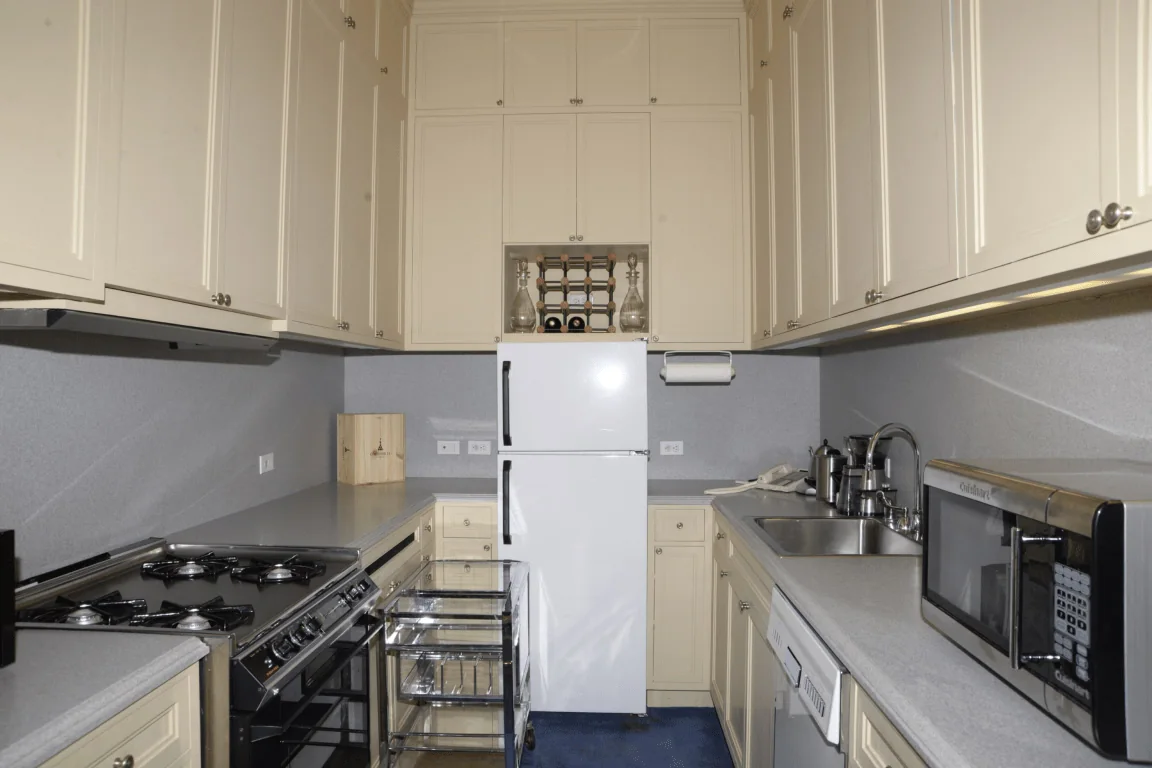
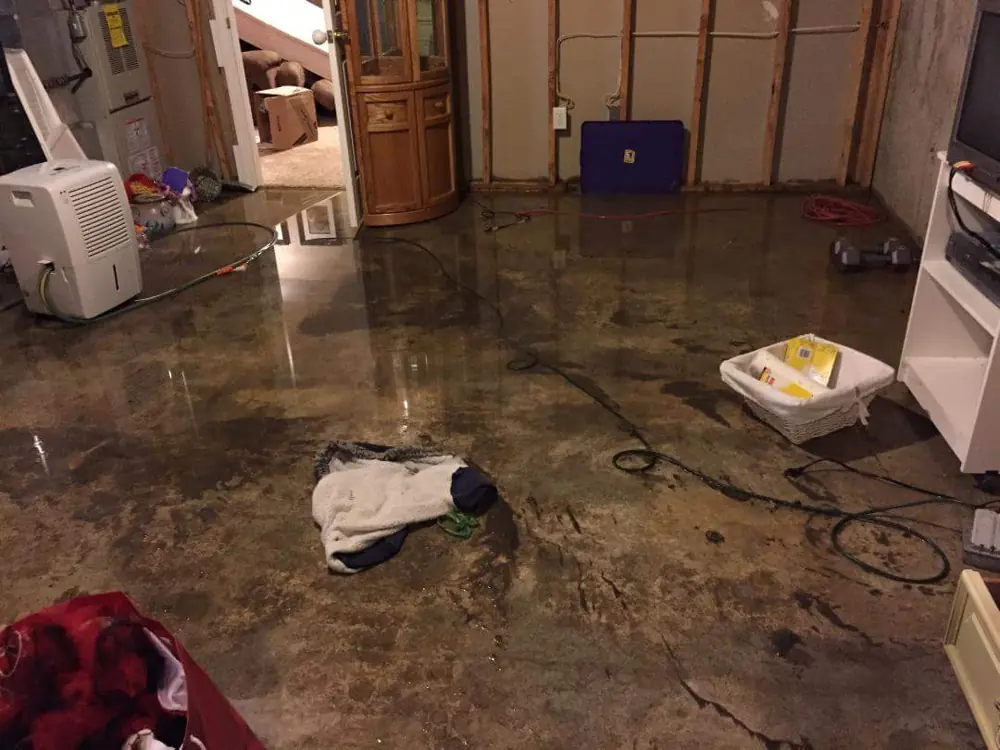
While help is on the way, these first steps, done only where it is safe, limit the damage and protect the insurance claim.
Shut the supply off at the source, or close the home's main valve if the source is not obvious. Stopping the flow limits the damage more than anything else.
Switch off electricity to the affected area, but only if the breaker can be reached without standing in or touching the water.
Get a crew dispatched right away. The sooner extraction and drying begin, the more flooring, drywall, and belongings can be saved.
Take photos and a short video of the water and the affected rooms before anything is moved, so the insurance claim starts strong.
Refrigerator leak cleanup in Pittsburgh typically runs $500 to $3,000, depending on how long the leak went unnoticed, whether subfloor or ceiling below the kitchen was affected, and flooring type. Hidden leaks caught late cost more to repair. Homeowner's insurance usually covers sudden appliance leaks, and crews document the source and damage for your claim.
Crews reach Pittsburgh and the Pittsburgh metro fast, from Squirrel Hill and Shadyside to Bloomfield, Lawrenceville, Mount Washington, and nearby Mount Lebanon and Bethel Park. See the full list on the areas served across Pittsburgh page.
See all areas servedEvery loss is photographed, measured, and logged from the first visit, so the paperwork holds up with your insurance carrier.
Technicians follow recognized IICRC drying standards and prove the work with daily moisture readings, not guesswork.
Emergency dispatch any hour of the day or night, with a real crew on the way, not a callback in the morning.
A real crew dispatched any hour, not a callback in the morning.
Trained technicians following recognized IICRC drying standards.
Truck-mounted, portable, and submersible for any size loss.
The loss is documented and billed to the carrier directly.
Look for soft or discolored flooring near the base, a musty smell in the kitchen, or water stains on the ceiling below if you have a finished basement. Pull the fridge out occasionally to check behind and underneath it, since the leak often starts long before it becomes visible.
Yes, especially since these leaks often go unnoticed for days or weeks. Once crews confirm the water is stopped, crews dry the area with commercial equipment and check moisture levels daily to keep mold from taking hold in the subfloor or cabinet base.
Not always. Vinyl and tile often survive if caught early. Hardwood that has cupped or warped from prolonged moisture usually needs replacement in the affected section, which crews match to your existing floor as closely as the manufacturer allows. Crews always check with a moisture meter first.
Most homeowner's policies cover sudden and accidental appliance leaks. Damage from a leak that was visible and ignored for a long period may be reviewed differently, so early reporting and documentation help your claim move through the process smoothly. Crews help document both the source and the timeline.
A cracked icemaker supply line, a clogged or frozen defrost drain, or a loose water line connection behind the unit are the most common causes crews see across Pittsburgh kitchens, especially in units more than a few years old. Regular checks behind the unit catch these early.
Pittsburgh crews are on call 24 hours a day, local and fast, and can be on the way within the hour.
Call (412) 866-1481