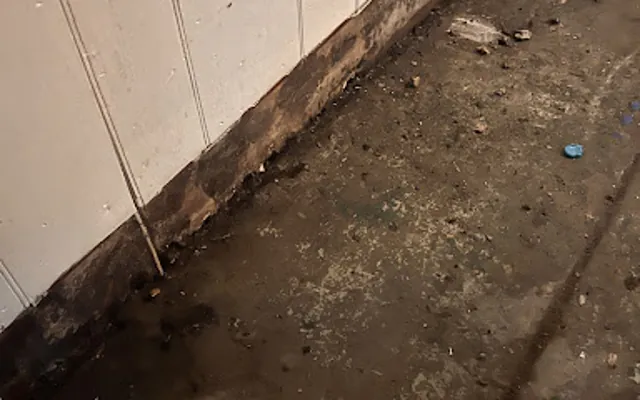
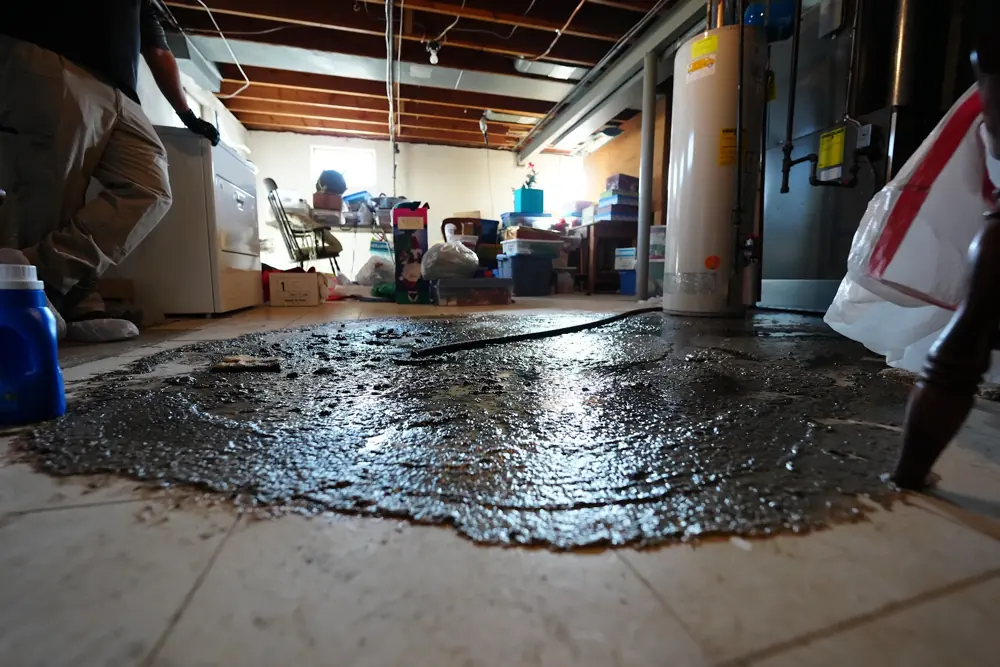
Old clay sewer laterals and Pittsburgh's combined sewer system make drain backups a real risk during heavy rain. Absolute responds within about an hour, IICRC-standard, to extract, disinfect, and dry your home safely.

Crews identify the backup source and contain the affected area to limit contamination spread through the home.
Contaminated water is extracted and any unsalvageable porous materials are removed and disposed of properly.
Affected surfaces are cleaned and treated with antimicrobial solutions to address contamination risk.
Air movers and dehumidifiers dry the space fully, with moisture tracking until readings are safe.

While help is on the way, these first steps, done only where it is safe, limit the damage and protect the insurance claim.
Shut the supply off at the source, or close the home's main valve if the source is not obvious. Stopping the flow limits the damage more than anything else.
Switch off electricity to the affected area, but only if the breaker can be reached without standing in or touching the water.
Get a crew dispatched right away. The sooner extraction and drying begin, the more flooring, drywall, and belongings can be saved.
Take photos and a short video of the water and the affected rooms before anything is moved, so the insurance claim starts strong.
Drain backup cleanup in Pittsburgh usually runs $1,500 to $7,000, depending on how much area was affected and whether porous materials like carpet or drywall need removal. A backwater valve installation after the cleanup can help prevent repeat events. Insurance coverage for sewer backup often requires a specific policy endorsement, which crews can help you check.
Crews reach Pittsburgh and the Pittsburgh metro fast, from Squirrel Hill and Shadyside to Bloomfield, Lawrenceville, Mount Washington, and nearby Mount Lebanon and Bethel Park. See the full list on the areas served across Pittsburgh page.
See all areas servedEvery loss is photographed, measured, and logged from the first visit, so the paperwork holds up with your insurance carrier.
Technicians follow recognized IICRC drying standards and prove the work with daily moisture readings, not guesswork.
Emergency dispatch any hour of the day or night, with a real crew on the way, not a callback in the morning.
A real crew dispatched any hour, not a callback in the morning.
Trained technicians following recognized IICRC drying standards.
Truck-mounted, portable, and submersible for any size loss.
The loss is documented and billed to the carrier directly.
Yes, backup from a sewer lateral or combined sewer system can carry bacteria and contamination, so it should be treated as hazardous and cleaned up with disinfection, not just mopped up like clean water.
If your home connects to Pittsburgh's combined sewer system, heavy rain can overload the shared pipes citywide, pushing wastewater back up through the lowest drain in your home even if your own line is clear.
Yes. Roots seek out moisture and can grow into small cracks in old clay laterals, gradually narrowing the pipe until it clogs completely, which is a common cause of backups in older Pittsburgh neighborhoods.
Standard policies often exclude sewer backup unless you have added a specific endorsement for it. Crews can help you understand what your policy covers and document the incident either way.
A backwater valve is a strong preventive step for homes on combined sewers or with a history of tree root issues, since it stops sewage from flowing back into the house during an overload.
Pittsburgh crews are on call 24 hours a day, local and fast, and can be on the way within the hour.
Call (412) 866-1481