
Trusted by 159+ Homeowners
Wet Insulation Removal Services Regent Square, PA
- Over 169 5-Star Reviews
- Free Estimates and Quotes
- 100% Satisfaction Guaranteed
- Child, Family & Pet Safe Steps
- 24-Hour Emergency Service
- Fully Licensed & Insured

Wet Insulation Removal Services in Regent Square, PA
Possible Causes of Wet Insulation in Your Home
Wet insulation is often a result of unexpected water intrusion, such as leaks from burst pipes, roofing failures, or seepage from foundation cracks. When these water sources go unnoticed or untreated, they can quickly saturate your insulation, creating the perfect environment for mold growth and structural damage.
Another common cause is plumbing failures within walls or ceilings. A hidden leak behind drywall can cause insulation to become damp and moldy over time. Additionally, heavy rains or flooding can lead to water accumulation in crawl spaces or basements, leading to soaked insulation materials that need immediate attention.
How Our Experts Can Address Wet Insulation Issues
Our team begins by performing a thorough assessment to identify the root cause of the moisture problem, whether it’s a leak, flood, or high humidity. We use advanced moisture detection tools and infrared cameras to locate hidden water behind walls or under floors.
Once the source of water intrusion is resolved, we focus on removing the saturated insulation. Our professionals carefully extract all wet materials to prevent mold growth and further structural damage. We also employ high-grade drying equipment and dehumidifiers to eliminate residual moisture from the affected areas.
After the removal and drying process, we advise on or perform preventative measures, such as sealing leaks or improving ventilation, to reduce the chances of future issues. We prioritize returning your home to a safe, dry, and healthy condition as swiftly and efficiently as possible.
Why Choose Us for Wet Insulation Removal in Regent Square?
Our team offers unmatched expertise in water damage restoration, specifically tailored to address wet insulation problems. We have extensive experience in handling complex water intrusion scenarios, ensuring that every job is completed thoroughly and effectively.
We utilize the latest technology and industry-approved methods to detect moisture and remove affected insulation. This enables us to minimize damages and prevent mold growth, safeguarding your health and property. Our rapid response ensures that your home is restored promptly, reducing inconvenience and long-term costs.
Customer satisfaction is our top priority. We are committed to providing transparent communication, reliable service, and affordable solutions. When you call us at (412) 866-1481, you can trust our experts to deliver professional results and peace of mind.
Frequently Asked Questions
How do I know if my insulation is wet?
You might notice damp or musty odors, visible water stains, or mold growth on walls or ceilings. If you experience increased humidity or condensation, it’s a good idea to have a professional inspect your insulation. Our experts use moisture meters and infrared cameras to accurately assess the situation.
What are the risks of leaving wet insulation untreated?
Allowing wet insulation to remain can lead to mold growth, which poses health hazards such as allergies and respiratory issues. It can also compromise the structural integrity of your home by promoting wood rot and foundation problems. Timely removal and drying are essential to protecting your property and health.
How long does the wet insulation removal process take?
The duration depends on the extent of the damage and the size of the affected area. Generally, the process can take a few hours to a full day. Our team works efficiently to restore your home as quickly as possible, prioritizing quality and thoroughness.
Will I need to replace all my insulation?
Not always. If the insulation is only partially saturated, we may be able to dry and disinfect it. However, in cases of deep saturation or mold contamination, replacement is necessary to ensure safety and effectiveness. Our experts will advise you after a detailed assessment.
How can I prevent future water damage and insulation issues?
Regular home inspections, prompt repairs of leaks, and maintaining proper ventilation can significantly reduce risks. Installing sump pumps or dehumidifiers in flood-prone areas can also help. Our team provides recommendations tailored to your home’s needs to keep your insulation dry and your home protected.
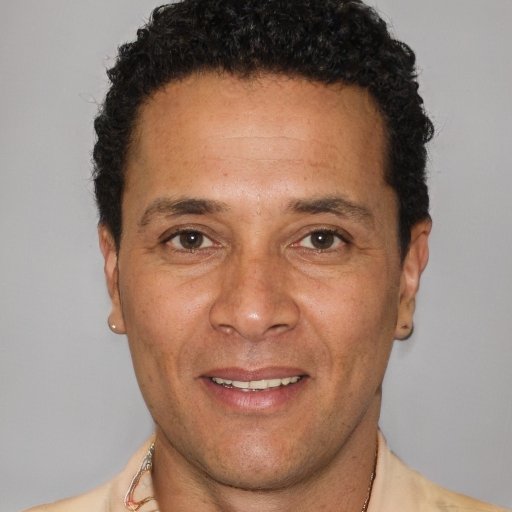
Jose Barry is a licensed Damage Restoration Expert with more than 20 years of experience guiding property owners through water, fire, mold, and smoke damage recovery. Known for his detail-driven approach and clear communication, Jose delivers restoration solutions that align with industry standards, insurance requirements, and client expectations.
𝗖𝗲𝗿𝘁𝗶𝗳𝗶𝗰𝗮𝘁𝗶𝗼𝗻𝘀: IICRC Water Damage Restoration (WRT), Mold Remediation (AMRT), Structural Drying (ASD), Odor Control (OCT), and Fire & Smoke Restoration (FSRT).
𝗟𝗶𝗰𝗲𝗻𝘀𝗶𝗻𝗴 & 𝗘𝘅𝗽𝗲𝗿𝗶𝗲𝗻𝗰𝗲: Fully licensed with two decades of hands-on leadership in residential and commercial restoration projects.
𝗙𝗮𝘃𝗼𝗿𝗶𝘁𝗲 𝗣𝗮𝘀𝘁𝗶𝗺𝗲: Home improvement projects, outdoor activities, and professional training.
𝗕𝗲𝘀𝘁 𝗣𝗮𝗿𝘁 𝗼𝗳 𝘁𝗵𝗲 𝗝𝗼𝗯: Helping clients regain confidence and peace of mind during the recovery process.